Research and Writing
Our clients receive regular commentary on the macro forces shaping markets. for our (usually) weekly note to follow our thinking on the key themes driving today’s economy–and how we’re responding.


Showing 44 results
We Are All Just Oil
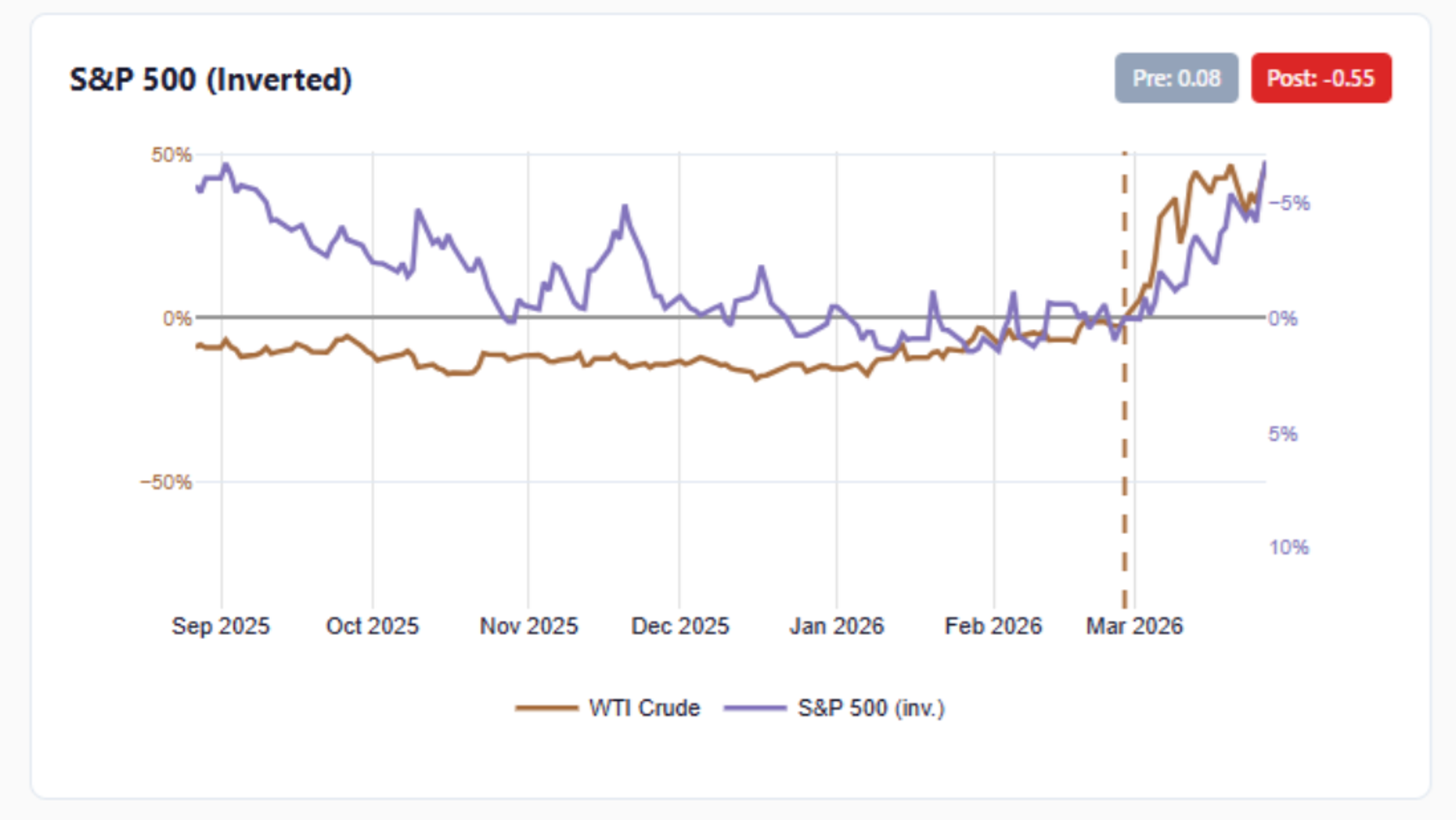
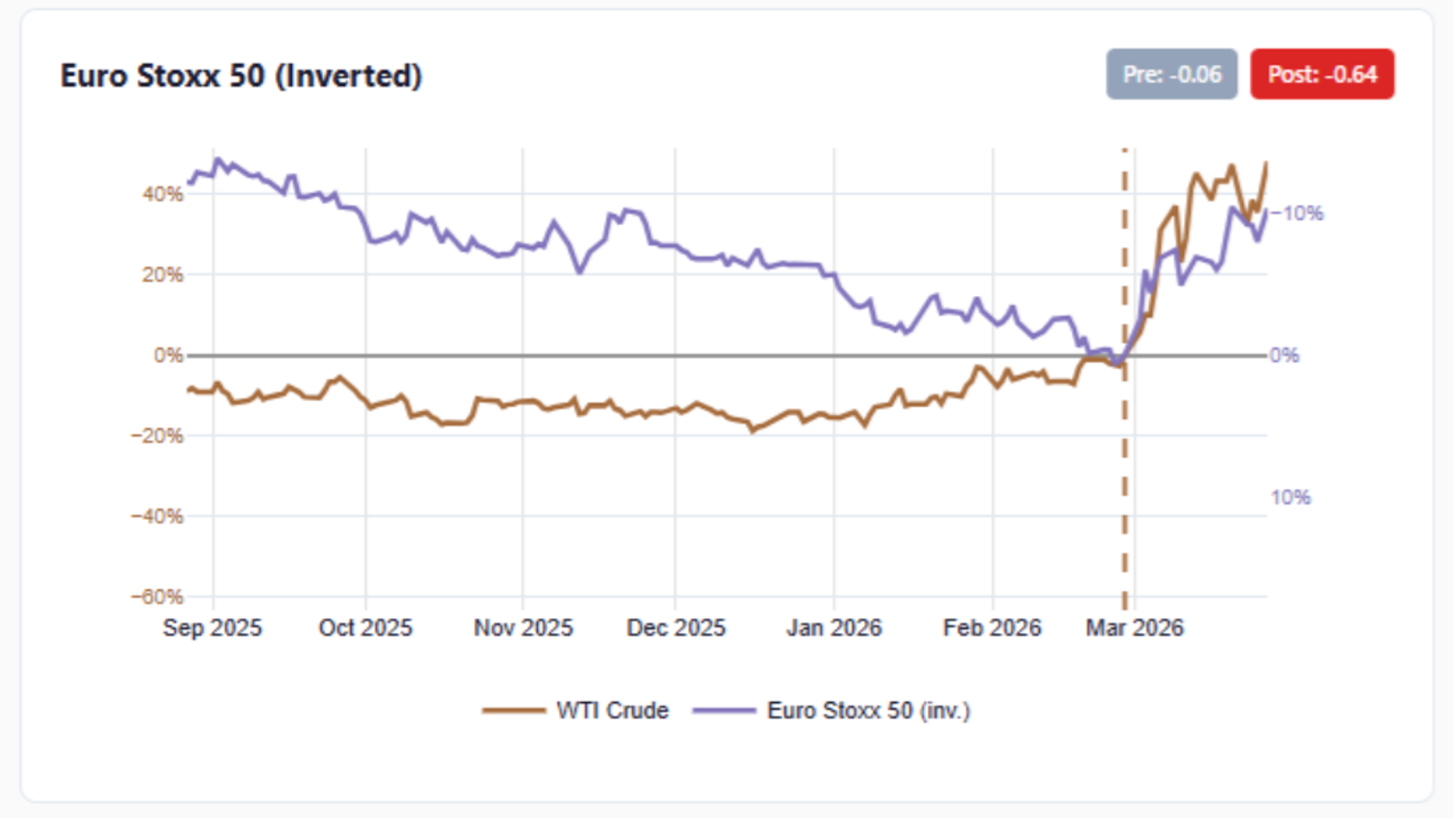
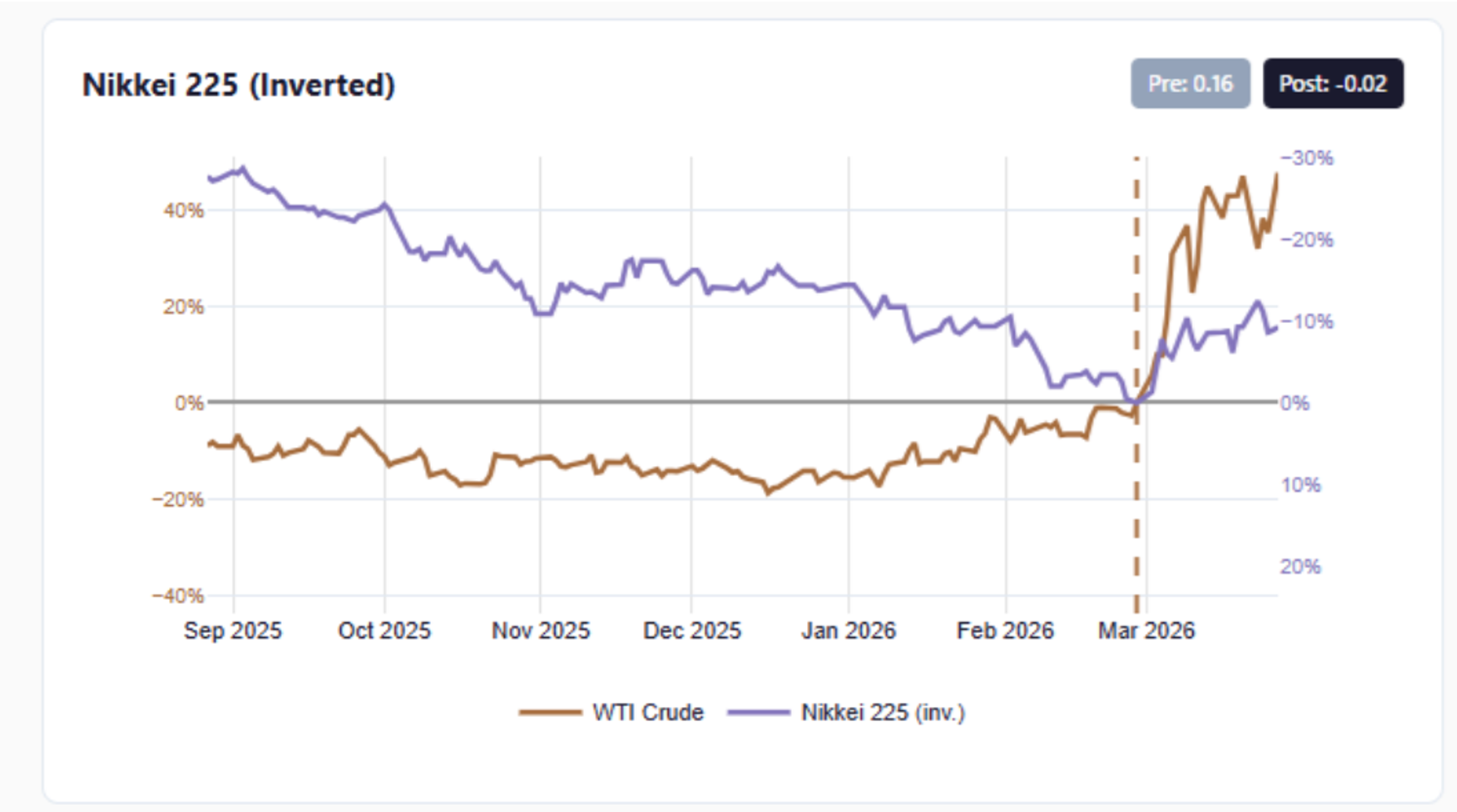
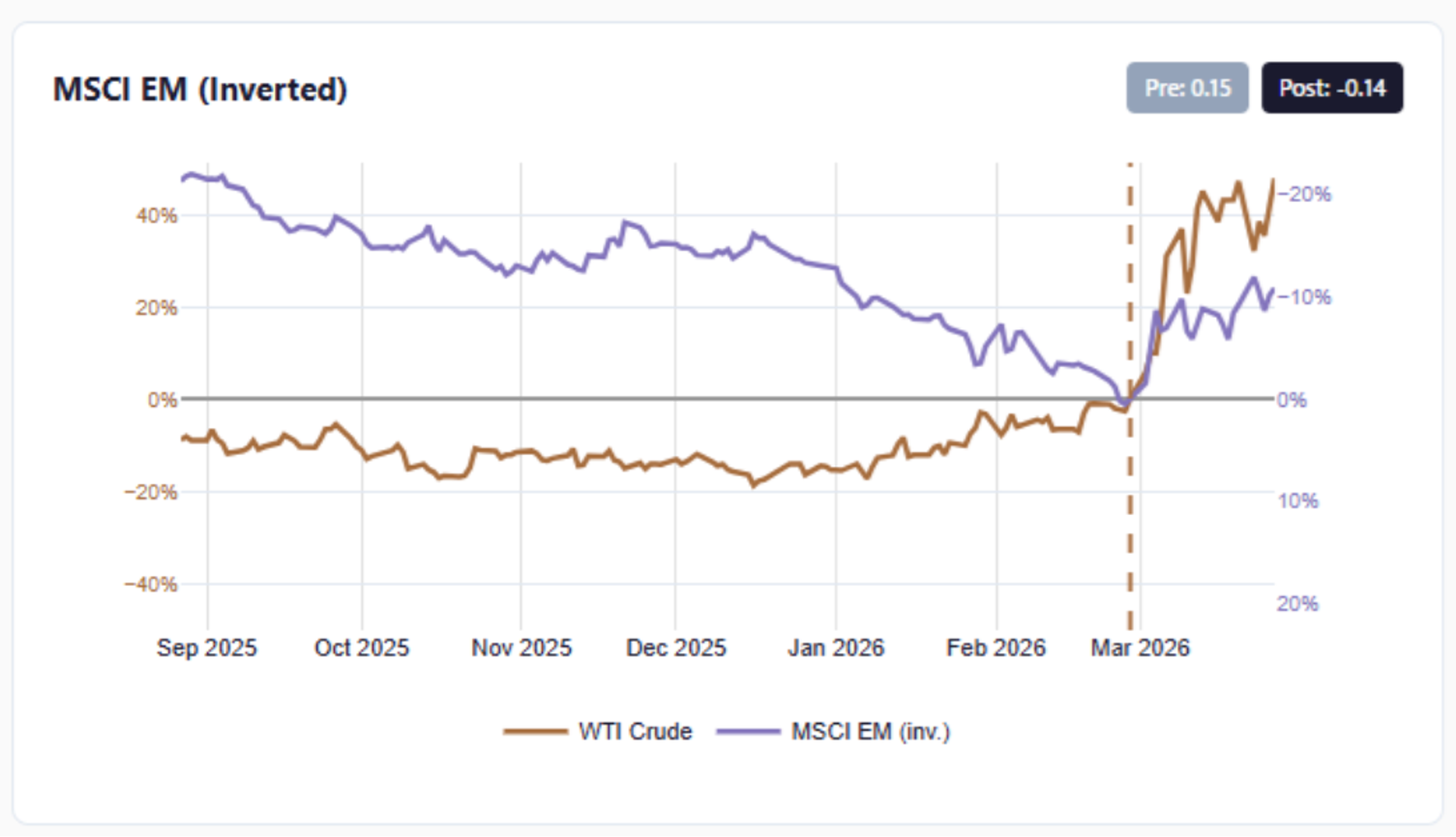
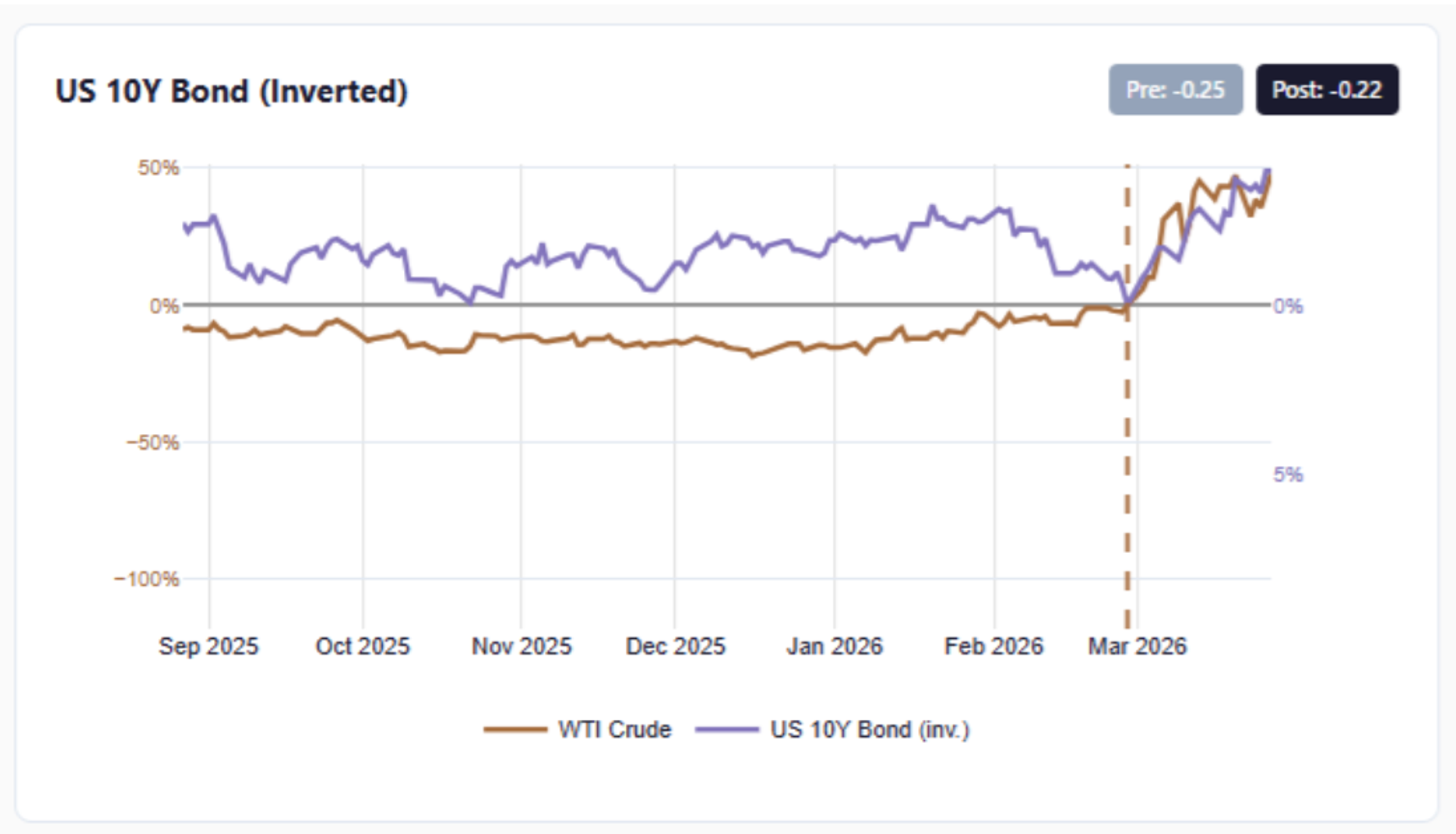
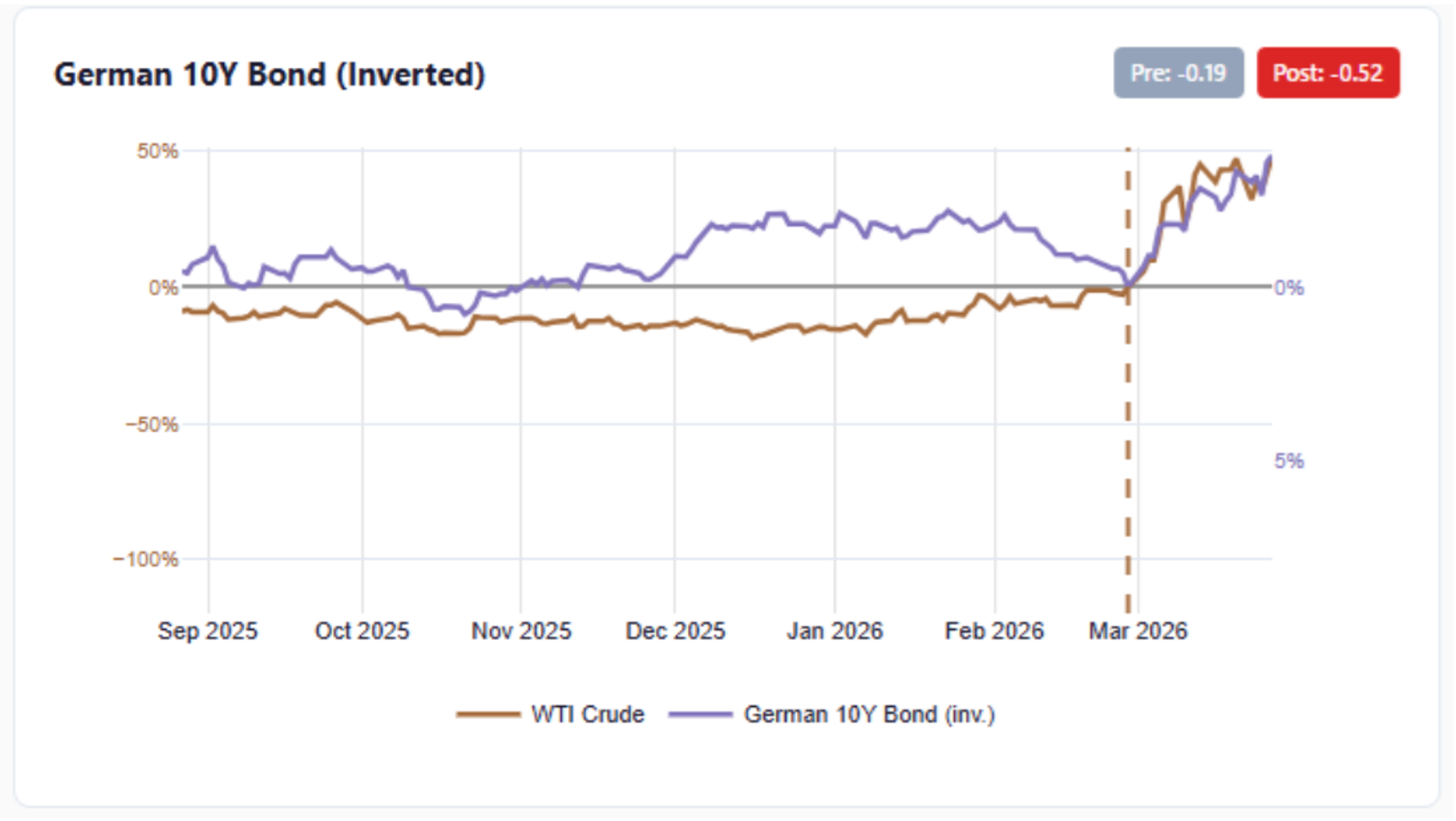
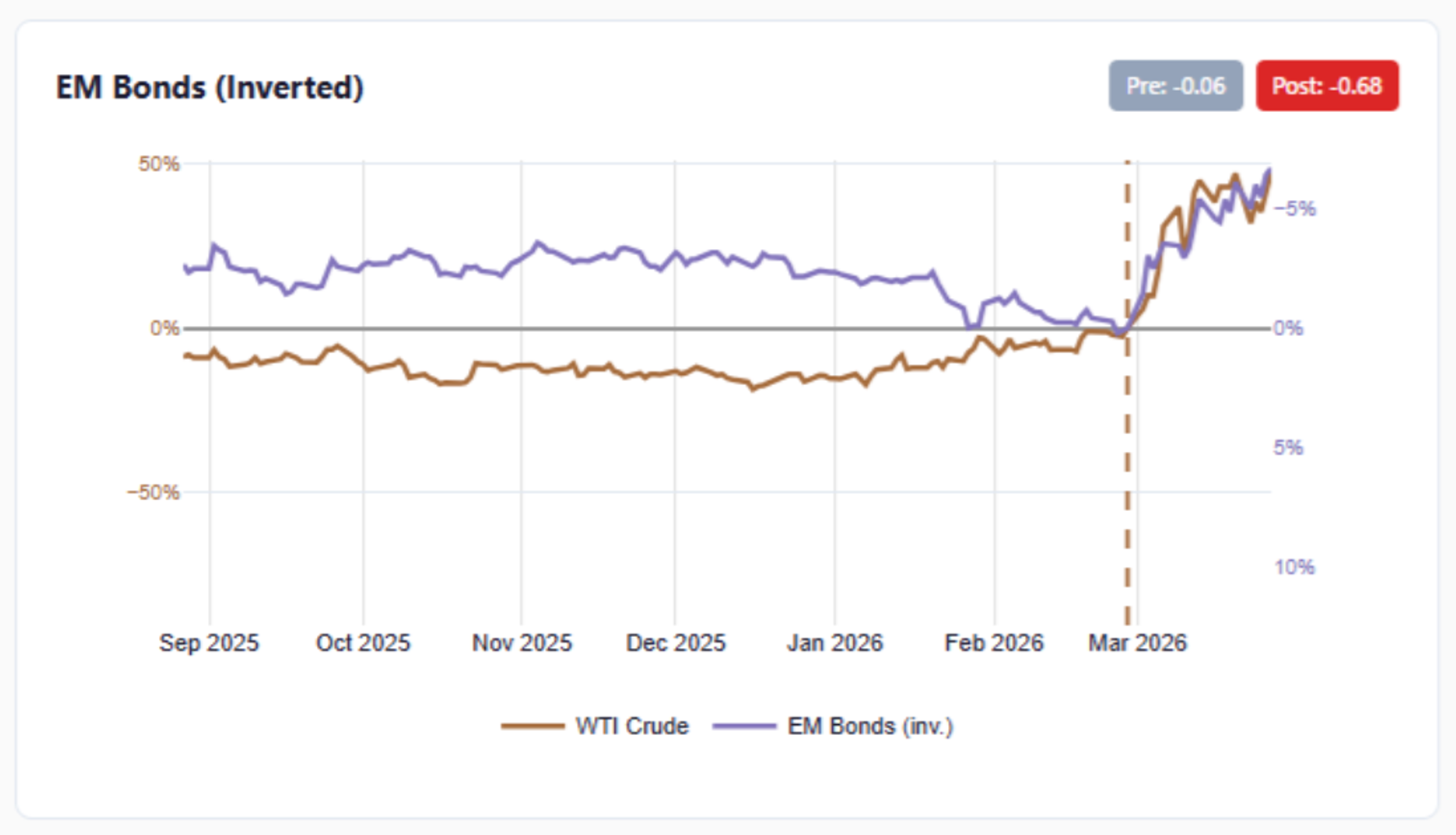
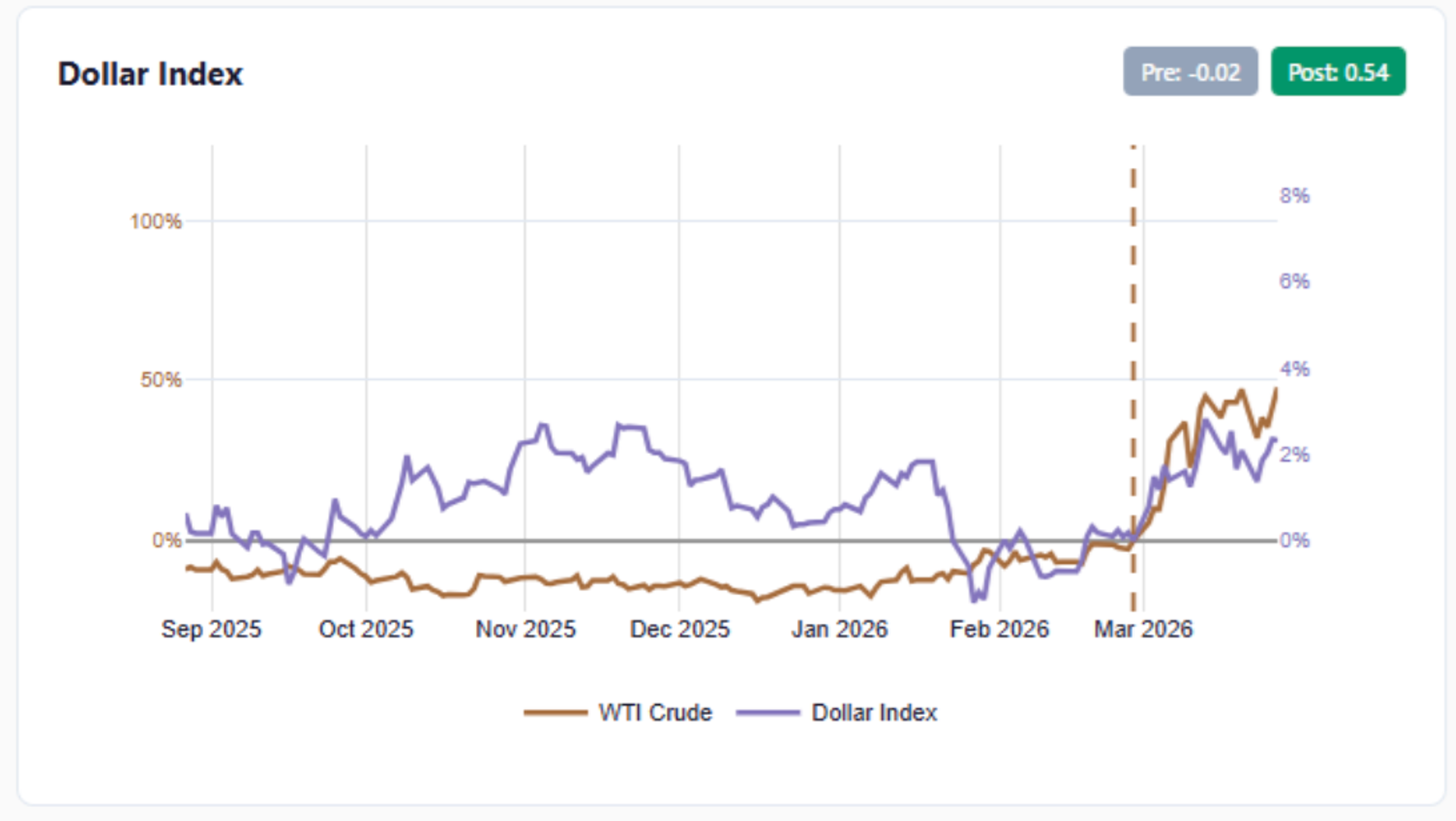
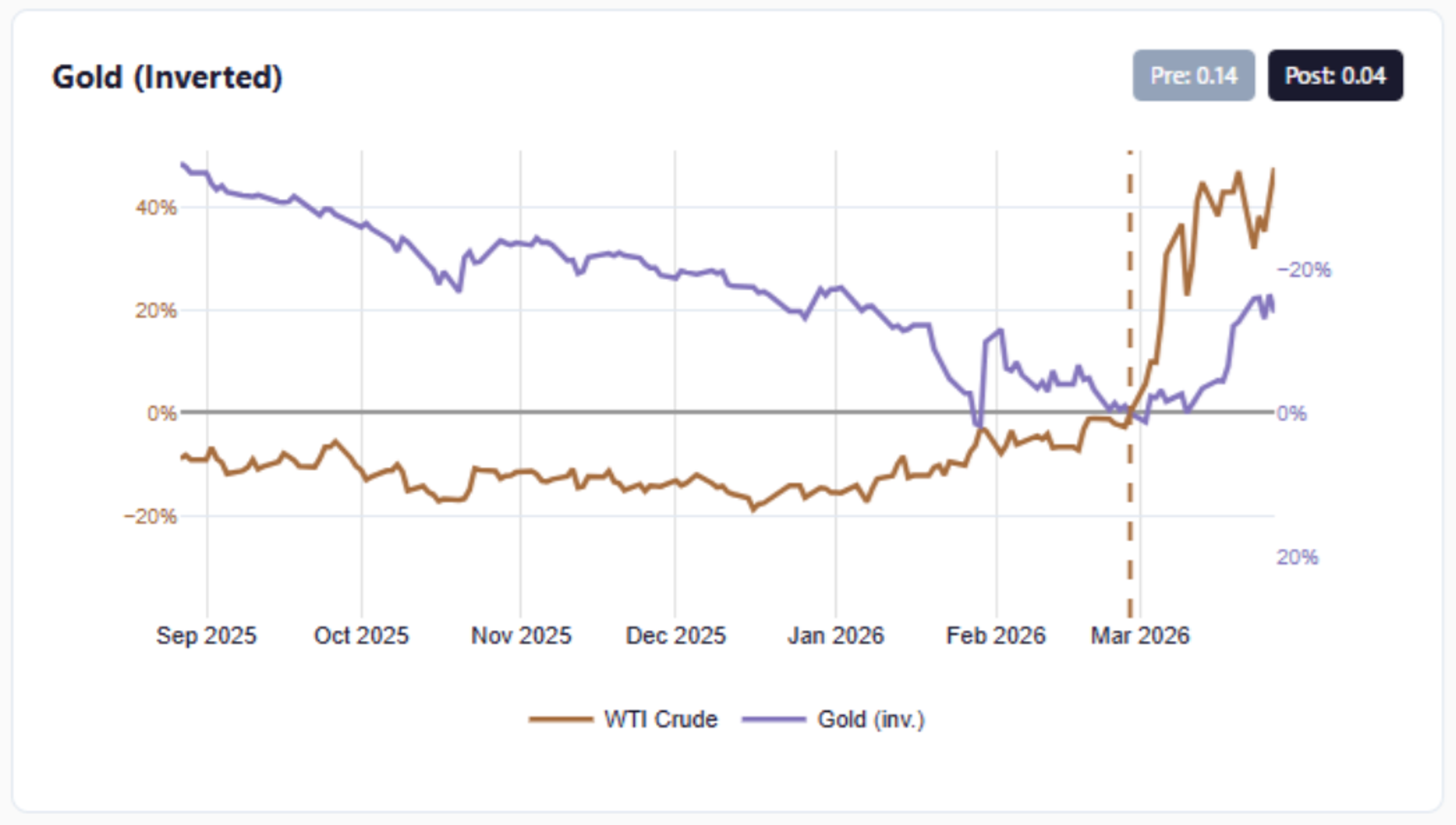
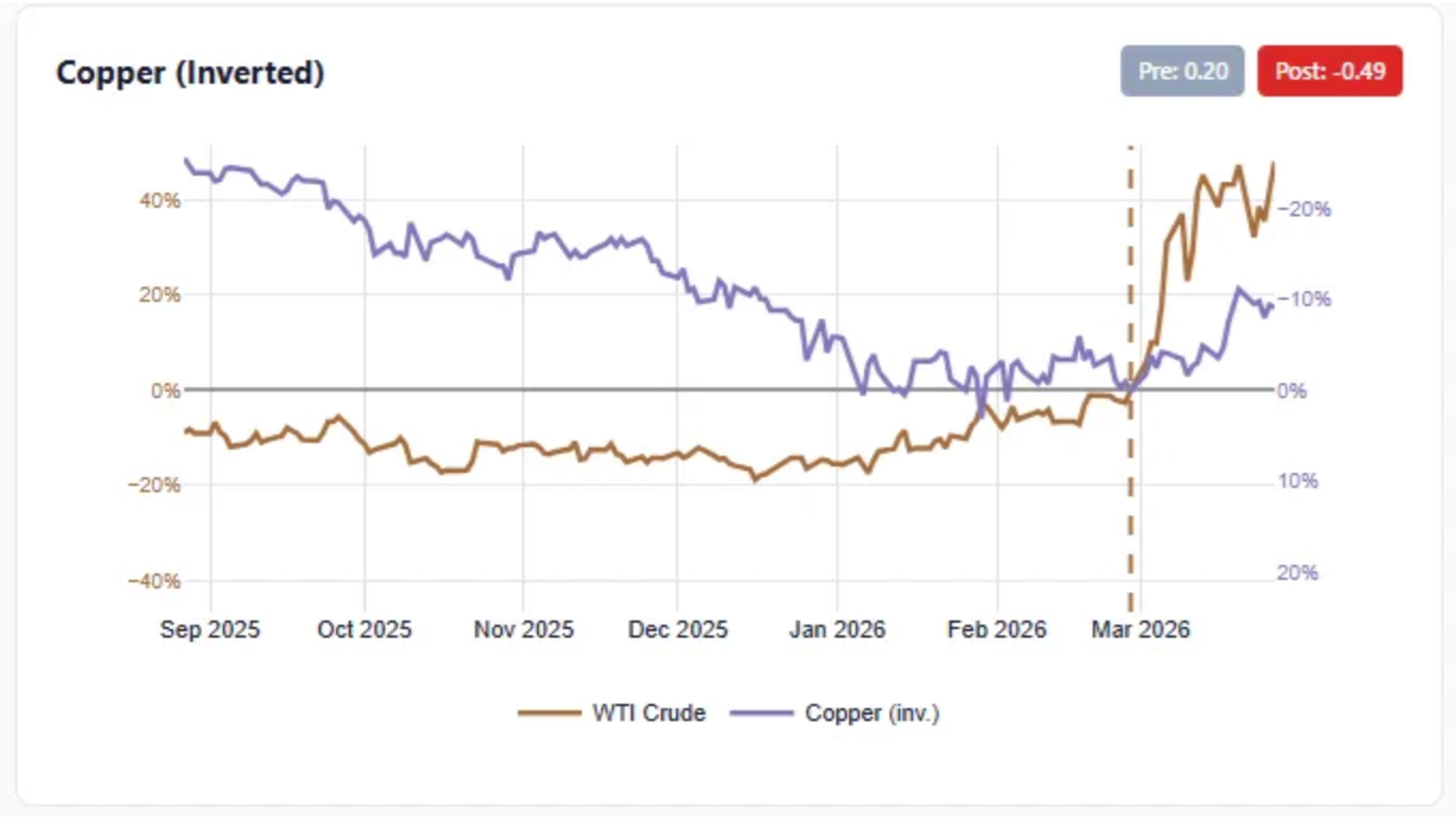
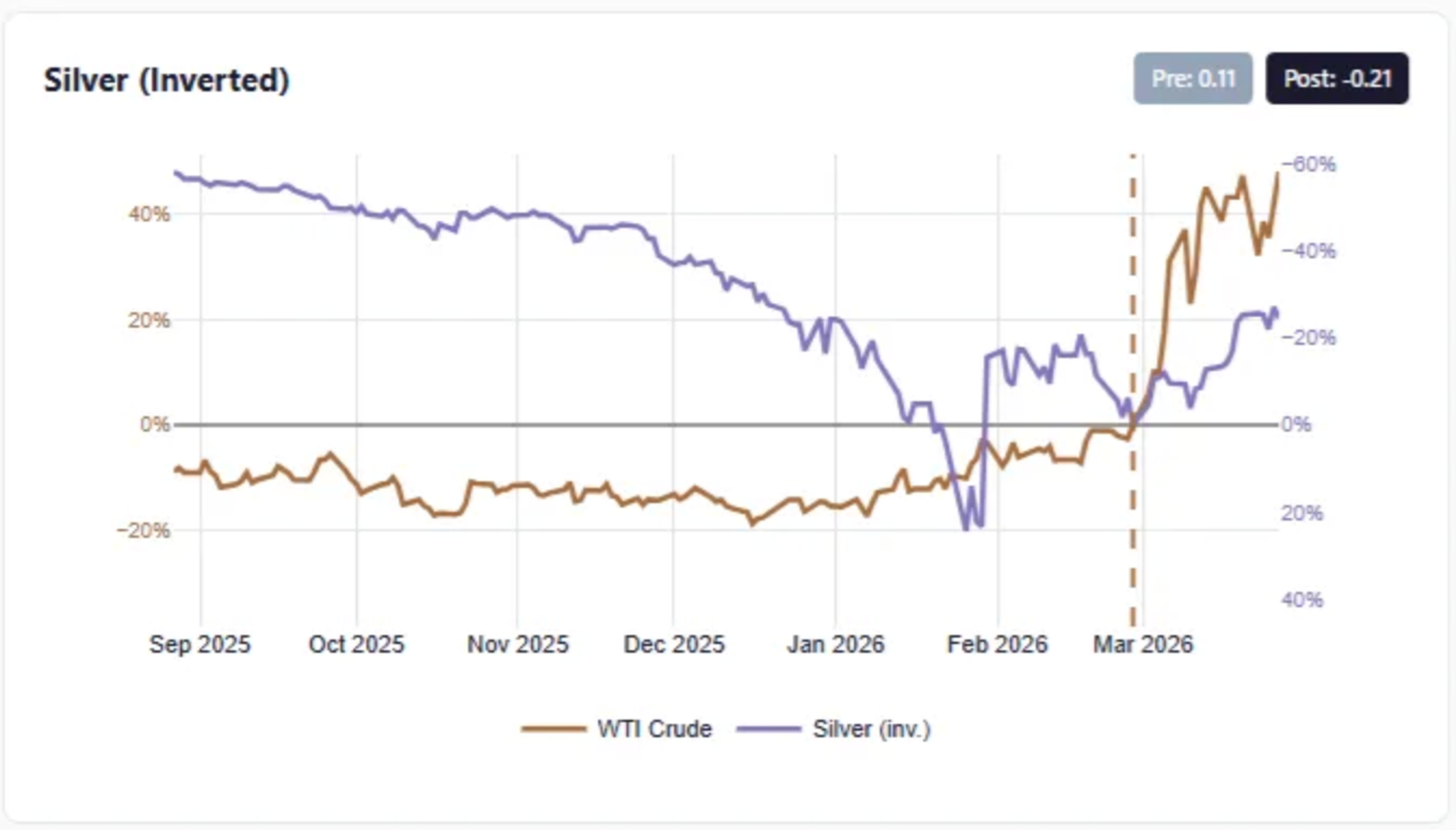
Investors are used to the concept of a portfolio. In a portfolio, you don’t own one thing, you own a bunch of different things. The hope is that when something in your portfolio is doing poorly, other things will do well, and that will smooth out the ride. That’s the theory, at least. Right now…not so much. Pretty much no matter what you own, you are just betting on oil. And assuming you own typical financial assets, you are betting on oil to go down, and it is not cooperating.
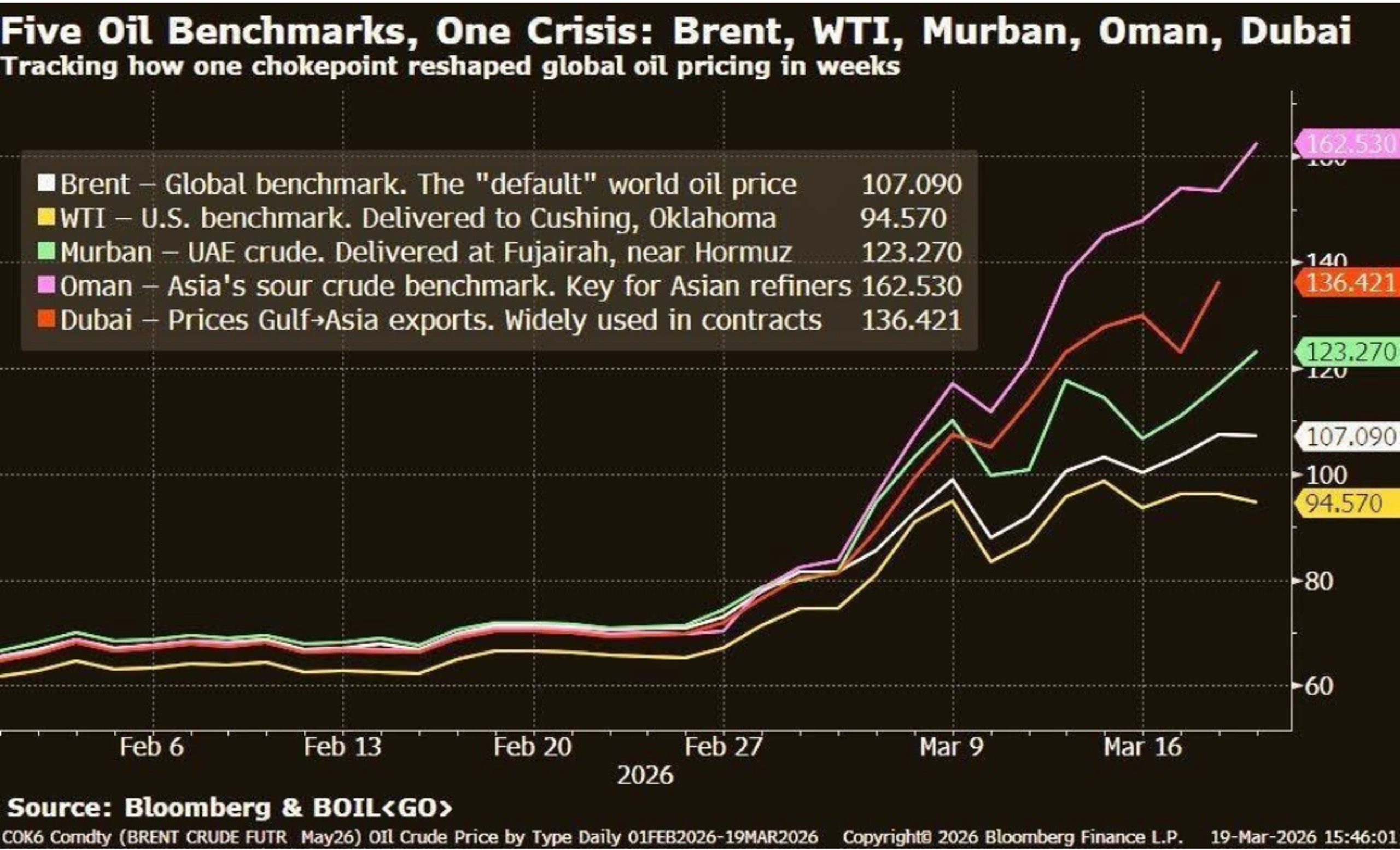
What Does the Word "Commodity" Even Mean?
If you go hunting for a definition of “commodity,” you are bound to run into the word “fungible.” If a thing is “fungible” it means all copies of them are basically the same. Interchangeable. That’s (part of the reason) why a steak and cheese sub is not a commodity, because none of my options here in Boulder are interchangeable with the glorious subs at Bob Nadeau’s in Manchester, NH. But if I need aluminum, well, aluminum is aluminum.
You Can Learn a Lot While Buying Underwear
In 2004, the book “Harrington on Hold ‘Em” was published. Dan Harrington was one of the most successful tournament poker players of all time, and the book reshaped how I and many, many others played poker. But it also left a mark on me more broadly. An important part of poker is deciding what hands your opponent might have. Paraphrasing, Harrington wrote on that topic that “there is always at least a 10% chance your opponent has something you aren’t considering. Maybe you sneezed and they decided it meant you were bluffing. Maybe they got an annoying text right before the hand. Maybe they are just confused. Regardless, never underestimate the possibility that your opponent will do something you could not have imagined.”
The Research Team We Never Hired
On Friday we launched our first ETF, ticker AVOS. It is the highest-conviction, long-only, active global equity portfolio we can build. More info at https://avosglobalequities.com/.
Fog of War
I am writing this at around 10 ET on Sunday, knowing it could age like milk. WTI popped to about $75 on the open, but now has drifted lower than $70 in classic “sell the news” style.
Bizarro Capitalism
One topic that keeps coming up in my conversations with investors is the “Fed Put.” Questions about it often come from a place of 1) believing the US stock market looks frothy 2) being wildly overweight US stocks 3) wondering how bad it could get before the Fed steps in and saves their bacon. As a firm that runs a systematic equity strategy, it is a topic we have studied deeply. The nightmare scenario you want to avoid is whipsaw - the stock market falls, then you sell, then the Fed steps in and triggers a big rally that you miss. You get the worst of both worlds. From our stress-testing we believe we would avoid that fate, but our guard is up.